Premier Work-Based Immigration Attorney: Your Manual to Mastering Immigration Steps
Working through the complexities of employment-based immigration demands expert direction. The ideal solicitor can greatly influence the conclusions of permit submissions. With various permit classifications and frequently changing regulations, grasping the playing field is fundamental. Both employers and personnel confront shared impediments that may hinder their goals. What factors should applicants reflect on when selecting an immigration lawyer? Unpacking these considerations will provide clarity on a clearer path through the permit submission undertaking.
Key Categories for Employment-Based Immigration
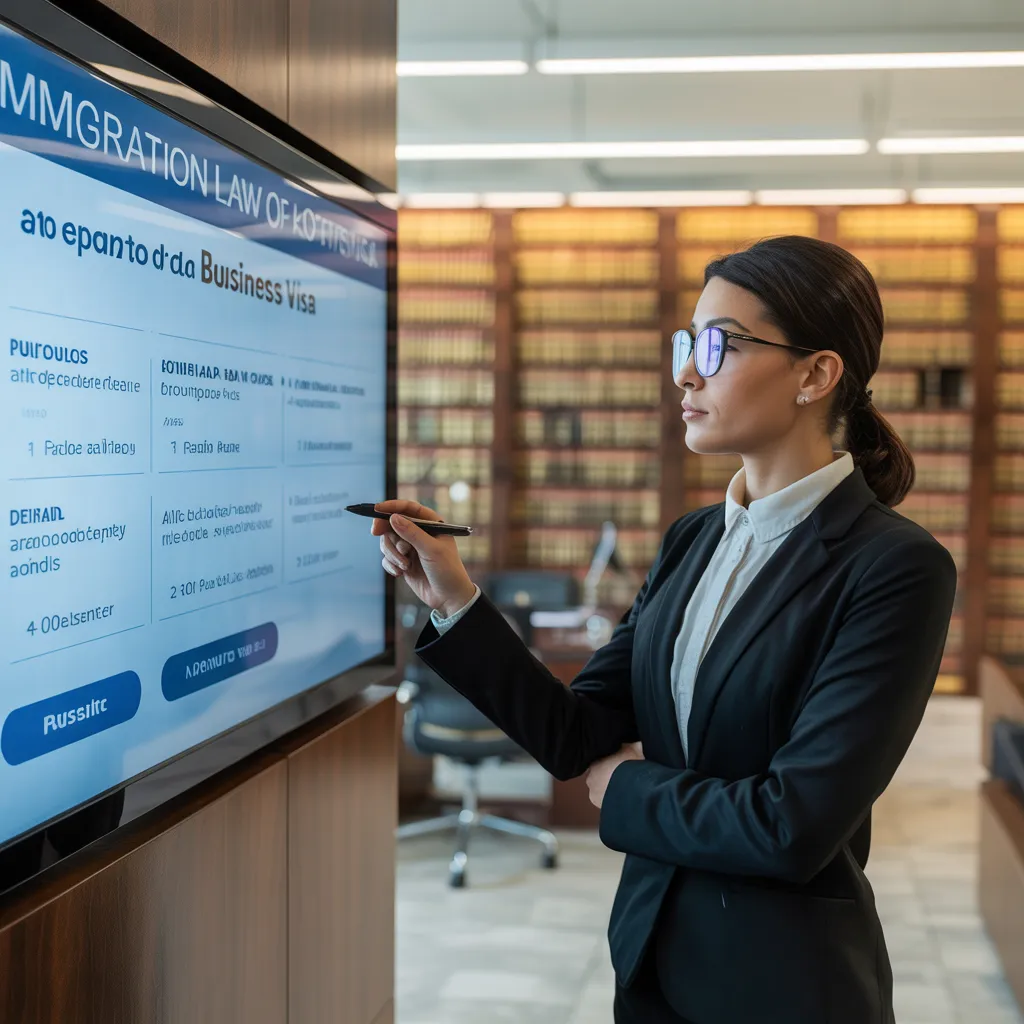
When considering employment-based immigration, comprehending the various types is vital for both employers and prospective employees. Several key categories support this process, each customized to specific circumstances. The H-1B is one of the most established, enabling U.S. companies to employ foreign workers in specialty occupations that require theoretical or technical expertise. The L-1 enables intra-company transferees to work in the U.S., ideal for multinational companies. Another important category is the O-1 , which is designated for individuals with extraordinary ability or achievement in their field. Additionally, the EB-2 and EB-3 provide pathways for skilled workers and professionals seeking permanent residency based on employment. Comprehending these types helps both parties navigate the complexities of employment-based immigration effectively, guaranteeing compliance with legal requirements and enhancing the hiring process.
Typical Complications in Job-Sponsored Immigration and Strategies
Managing the complexities of work sponsorship introduces multiple common challenges that can impede both employers and employees. One major challenge is the constantly changing immigration regulations, which can produce uncertainty and confusion. Employers may struggle to keep up with these modifications, causing likely adherence concerns. In addition, lengthy wait periods for work permits can delay recruitment, affecting business operations.
One supplementary obstacle complete article presents itself in the filing requirements. Candidates regularly face challenges assembling the required paperwork, which can cause deficient applications and subsequent denials. Furthermore, a shortage of transparent communication among companies and workers can intensify misunderstandings about the immigration process.
To mitigate these difficulties, organizations can invest in training for HR workforce on immigration subjects and form transparent communication channels. Seeking professional guidance from proficient immigration attorneys can also streamline the process, ensuring that both parties navigate the complexities proficiently and attain their immigration goals.
Finding the Right Immigration Attorney for You
How can an individual ensure they locate the right immigration attorney to work through the complexities of employment-based immigration? First, potential clients should evaluate the attorney's experience and specialization in employment-based cases. A qualified attorney will exhibit a comprehensive knowledge of immigration laws and procedures relevant to employment .
Additionally, acquiring suggestions from trusted sources can deliver worthwhile knowledge into an attorney's reputation and effectiveness. Digital reviews and client testimonies can also help evaluate patron happiness.
Furthermore, it is important to schedule appointments to determine their communication approach and mutual suitability. An excellent attorney should be approachable, responsive, and capable of conveying difficult legal information understandably.
In conclusion, clients should address pricing arrangements upfront to sidestep unexpected costs. By considering these factors, individuals can confidently choose an immigration lawyer who fulfills their specific needs and supports a smoother immigration process.
Entry Permit Application Steps: What to Prepare For
What procedures should one expect during the application process? Initially, candidates must determine the suitable category based on their employment status. After determining the correct type, they should collect necessary paperwork such as job offers, academic credentials, and any necessary endorsements from employers.
Next, candidates will need to fill out the application form, which frequently contains detailed personal and career details. Once the form is filed, applicants typically settle the required charges. After that, interviews could be scheduled, where applicants can anticipate to answer questions concerning their qualifications and intentions in the host country.
After the interview concludes, applicants await a decision, which may vary between approval or denial. During this procedure, maintaining open dialogue with an immigration attorney can assist in managing any complications that arise. Understanding these procedures can simplify the application process, boosting the chance of a successful outcome.
Real Success Stories in Work-Based Immigration
Navigating the application process can be challenging, but many individuals have gained employment-based , revolutionizing their work lives. Take, for example, Maria, a software engineer from Brazil. After a extended application, she was granted an H-1B , allowing her to work for a leading tech firm in Silicon Valley. This chance not only advanced her profession but also improved her personal life.
Likewise, Raj, an Indian physician, overcame substantial obstacles to obtain a J-1 for a residency program in the United States. His perseverance and commitment eventually led him to attain a permanent position in a renowned hospital, realizing his dream of practicing medicine in America.
These actual success stories demonstrate the impact of employment-based immigration, presenting how determined individuals can work through complex processes and realize their dreams, playing a role in multicultural workplaces and regions across the country.

Regular Commonly Asked Questions
What Qualifications Should I Look for in an Immigration Counsel?
When finding an immigration attorney, one should give weight to pertinent experience, a impressive track record with analogous cases, lucid communication skills, positive client reviews, and contemporary knowledge of immigration laws and procedures. Credentials matter considerably.
How long Does the Application Process Typically Take?
The approval procedure usually takes several months, depending on the type and unique situations. Factors such as turnaround times, required documentation, and likely delays can greatly impact the complete timeframe of the process.
What Are the Age Limits for Employment-Based Immigration Petitioners?
Individuals seeking employment-based immigration usually do not have specific age limits. Nevertheless, various categories may contain age-dependent factors, for instance qualification for particular programs or benefits, which can change according to individual circumstances.
May I lodge numerous Types concurrently?
Yes, an candidate can file various types concurrently. However, each request must fulfill distinct standards and guidelines. Speaking with an immigration lawyer can help navigate the challenges of submitting various applications effectively.
Which Costs Are Related to Hiring an Immigration Attorney?
Engaging an immigration counsel typically requires fees for consultations, application preparation, and advocacy. Costs can vary considerably based on the attorney's experience, the difficulty of the matter, and regional differences, often ranging from hundreds to thousands of dollars.